Learn how faculty can build AI literacy to improve teaching, redesign assessments, strengthen research, and foster responsible AI use in higher education.
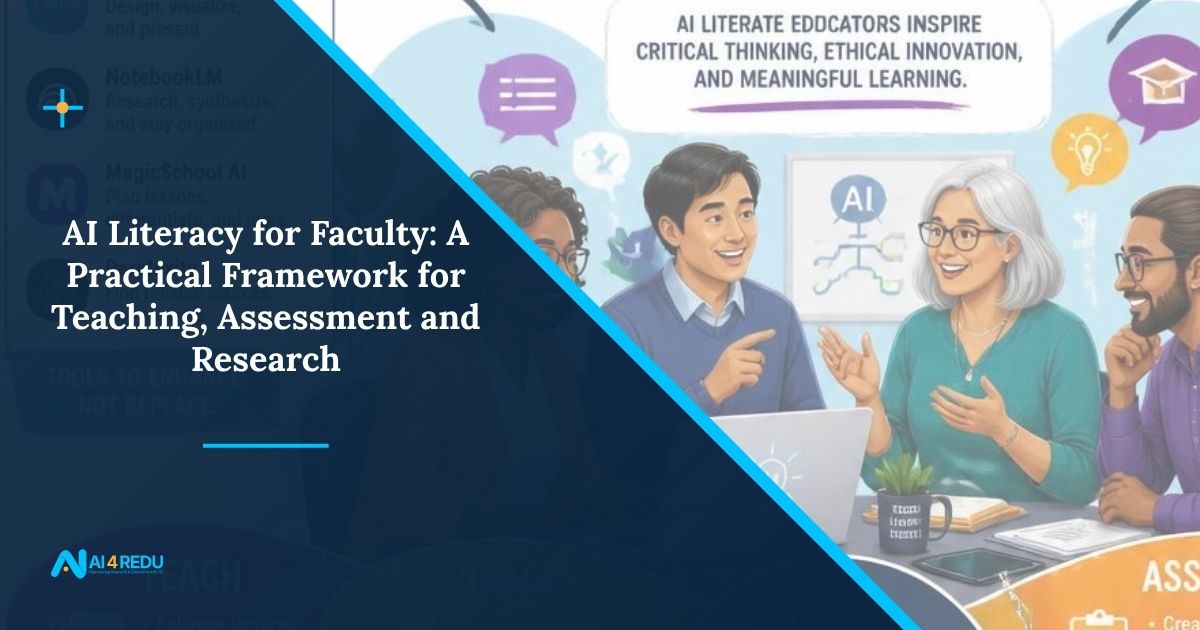
Learn how faculty can build AI literacy to improve teaching, redesign assessments, strengthen research, and foster responsible AI use in higher education.
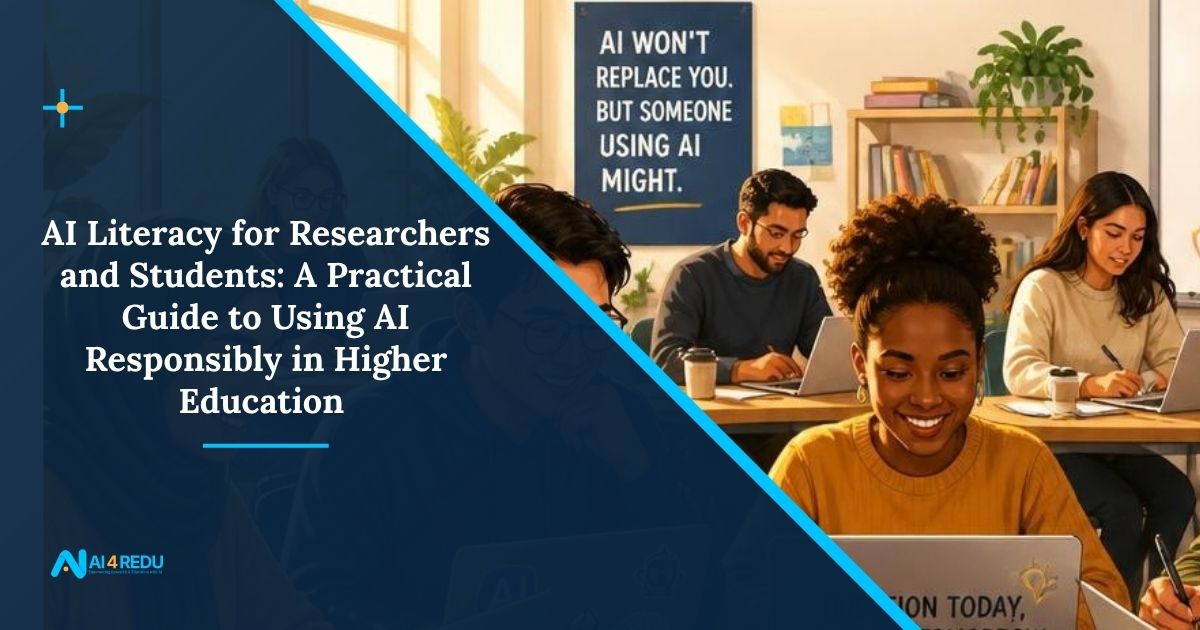
Learn AI literacy skills for students and researchers. Discover responsible AI use, academic integrity, ethical research practices, prompting, and AI citation.
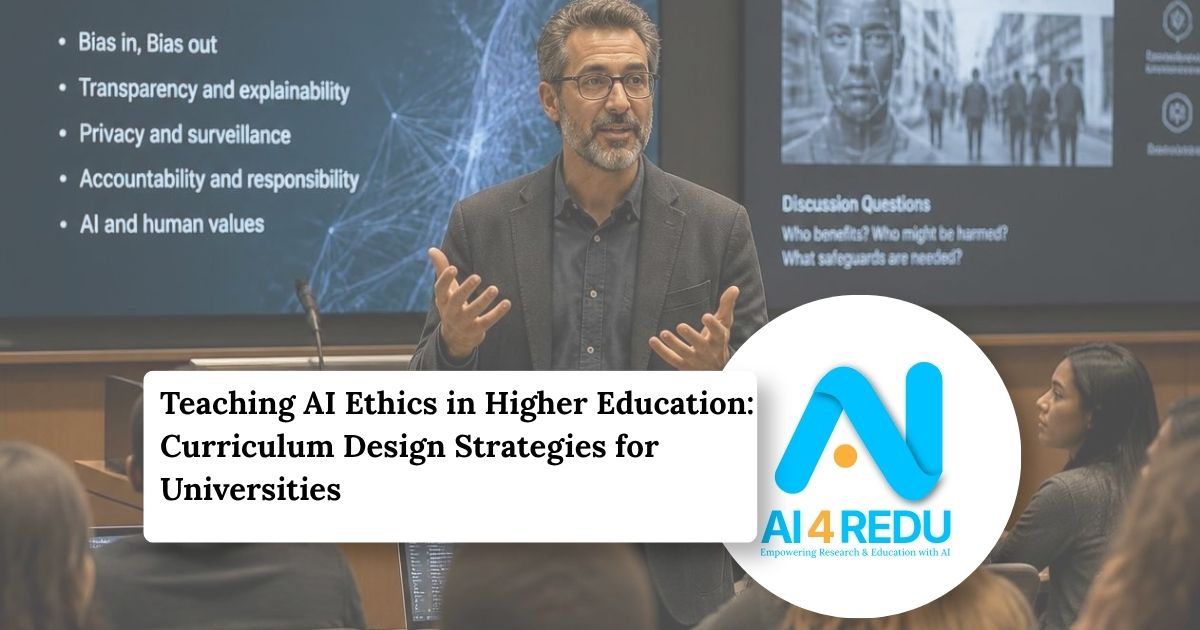
Discover how universities can design effective AI ethics curricula that build responsible AI skills, promote ethical decision-making, and prepare future-ready graduates.

AI detection tools miss most AI-assisted cheating. Discover 10 practical assessment redesign strategies universities are using to prevent AI misuse and protect academic integrity.
Introduction As of August 2, 2026, Claude’s outputs carry something they didn’t before: an invisible, machine-readable mark identifying the content as AI-generated. This isn’t a Claude-specific quirk or a leaked feature; it’s the direct result of the EU AI Act’s …
A complete guide to protecting academic integrity in the age of generative AI. Explore practical policies, AI literacy programs, and prevention strategies universities can use today.

Discover the SHARE Framework for scholarly co-writing with generative AI — five principles for responsible, ethical AI use in academic research and writing.

Discover how the Human-in-the-Loop (HITL) Framework keeps human oversight at the center of AI-assisted research, protecting academic integrity, accuracy, and accountability.

Learn how researchers and universities can implement responsible AI in research — covering bias mitigation, transparency, accountability, and governance best practices for trustworthy, reproducible science.
Explore the AI ethics frameworks shaping academic publishing — from ACM and COPE to Elsevier, Wiley, and Springer Nature — and learn the shared rules on disclosure, authorship, and accountability.